

Guide: Havapoo temperament
Havapoo Temperament: What They Are Really Like to Live With
Havapoo temperament is the main reason people choose this mix. Most Havapoos are affectionate, playful and closely attached to their people, because both parent breeds were developed as companions. However, that same attachment means they do not like being left alone for long.
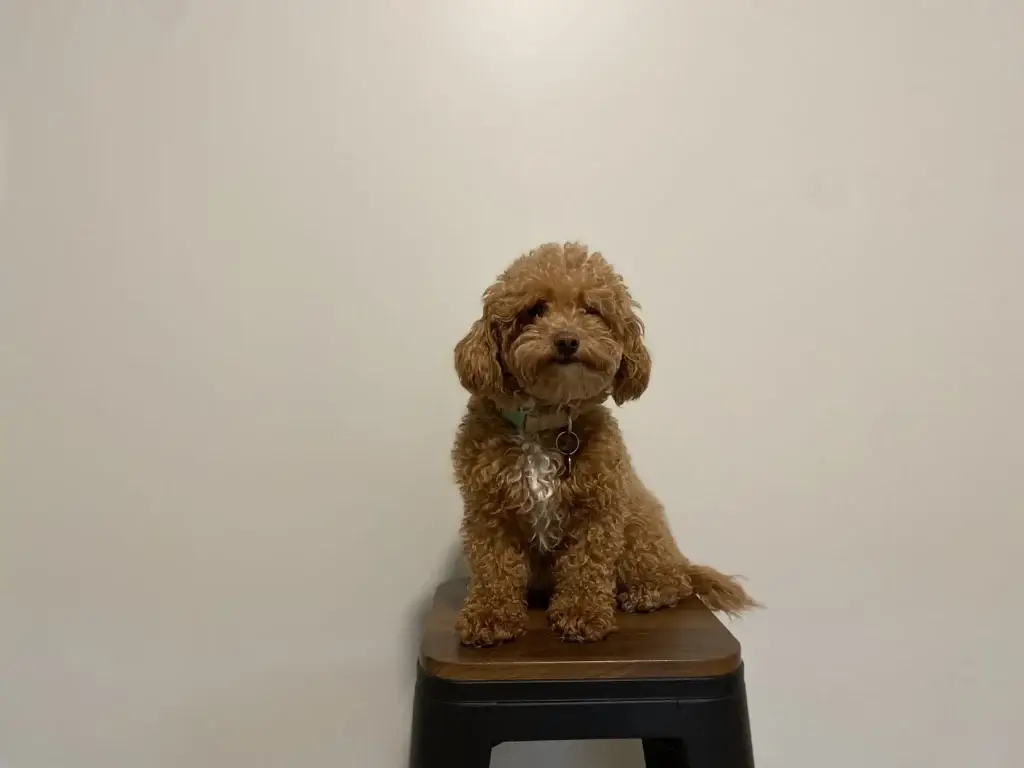
Havapoo temperament at a glance
No kennel club rates the Havapoo itself, because it is a cross and not a recognized breed. Instead, the best evidence is how the American Kennel Club (AKC) scores each parent breed out of 5 (Havanese, Miniature Poodle).
| Trait | Havanese | Miniature Poodle |
|---|---|---|
| Affectionate with family | 5 | 5 |
| Good with young children | 5 | 5 |
| Open to strangers | 5 | 5 |
| Playfulness | 5 | 5 |
| Good with other dogs | 5 | 3 |
| Energy | 3 | 4 |
| Trainability | 4 | 5 |
| Barking | 4 | 4 |
| Need for mental stimulation | 3 | 5 |
A puppy can take after either parent, so treat these scores as a likely range and not as a promise.
What each parent adds to the Havapoo temperament
The Havanese side. The AKC describes Havanese as outgoing, clever dogs with a comic streak. They are also sensitive, so harsh scolding backfires. Above all, they are happiest when someone is with them.
The Poodle side. According to the AKC, Poodles are extremely intelligent, very active and people-oriented. They learn fast when training is fun and consistent. However, they also need more mental work than most small dogs.
Living with a Havapoo day to day
- They follow you. Expect a dog that wants to be in the same room, and often on the same seat.
- Play lasts into adulthood. Both parent breeds score 5 out of 5 for playfulness.
- Visitors are friends. Both parents also score 5 for openness to strangers, so do not expect a guard dog.
- Lessons stick quickly. That includes bad habits, so start training early.
The downsides of the Havapoo temperament
An honest look at the Havapoo temperament includes a few challenges.
- Time alone. The AKC notes that Havanese are not happy when left alone for hours at a time. Because of that, a Havapoo suits a home where someone is around for much of the day.
- Barking. Both parent breeds score 4 out of 5 for barking. Most Havapoos will announce the doorbell, so teach a quiet cue early.
- Sensitivity. Rough handling or harsh corrections can make a soft dog anxious. Reward-based training works better.
- Boredom. A clever dog with nothing to do invents its own games.
How a puppy is raised shapes its temperament
Genes set the range, but early experience decides where a puppy lands within it. The American Veterinary Society of Animal Behavior calls the first three months of life the most important time for socialization (AVSAB). Much of that window passes before a puppy goes home.
For that reason, ask any breeder how the litter is raised, and meet the parents if you can. Our puppies are born and raised inside our family home and handled every day. After go-home day, our puppy socialization checklist shows what to do next. For the full breed overview, read What is a Havapoo?
Related guides
- What Is a Havapoo?
- Havapoo Lifespan and Health Problems: What to Expect
- Havapoo Grooming: Brushing, Haircuts and a Simple Schedule
- How Big Do Havapoos Get? Full-Grown Size and Weight
- Havapoo Price: What a Puppy Costs and What You Pay in the First Year
See all our puppy guides, or meet our Havapoo puppies for sale.
Looking for a Havapoo puppy?
Our Havapoos are born and raised inside our family home in Eagle Mountain, Utah, from health-tested parents. See who is available now.