

Guide: reverse sneezing in dogs
Reverse Sneezing in Dogs: What It Is and What to Do
Reverse sneezing in dogs is a sudden bout of loud, rapid snorting as the dog pulls air in through its nose. It can look like choking, but it is usually harmless and over within a minute. It is more common in small dogs. However, frequent or severe episodes, or any trouble breathing afterward, should be checked by a vet.
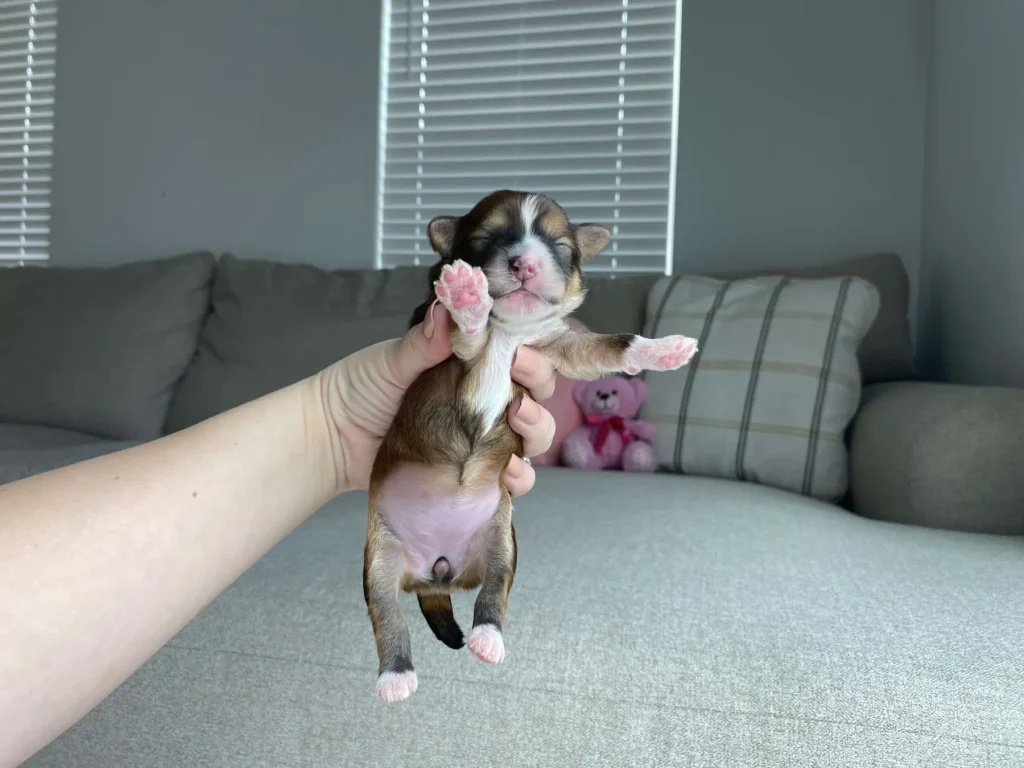
What reverse sneezing in dogs looks and sounds like
In a normal sneeze, air is forced out. In a reverse sneeze, air is pulled in, fast and repeatedly, through the nose. Cornell University’s canine health center describes it as a spasm-like reflex that comes in episodes (Cornell).
Typically the dog stands still, stretches its neck and makes a loud snorting or honking noise. Then it stops, swallows and behaves as if nothing happened.
Why reverse sneezing in dogs happens
The usual cause is irritation at the back of the nose or throat. Common triggers include:
- Dust, pollen, perfume or cleaning sprays
- Excitement
- Pulling against a collar
- Eating or drinking too fast
Cornell notes that it is reported more often in dogs under about 33 pounds than in larger dogs, and in short-nosed breeds. So Havapoos and other small mixes do it fairly often.
What to do during an episode
Mostly, stay calm and wait. If you want to help it pass, VCA Animal Hospitals suggests (VCA):
- Gently massaging the throat
- Covering the nostrils for a second or two, which encourages a swallow
- Blowing softly toward the face
- Moving the dog to cooler, fresh air
Do not put fingers in the mouth, and do not panic. Your worry makes the dog more excited.
When to worry
For a healthy dog, occasional episodes need no treatment. However, see your vet if:
- Episodes become frequent or last several minutes
- There is discharge or blood from the nose
- The dog coughs, wheezes or tires easily between episodes
- Gums look pale or blue, or the dog faints
A short video on your phone is very useful, because the dog will almost never do it in the clinic. For frequent cases, vets may check for allergies or nasal mites.
Reducing reverse sneezing in dogs at home
- Use a harness instead of a collar for walks.
- Slow down meals with a puzzle feeder.
- Cut down on scents. Avoid sprays, candles and strong cleaners near the dog.
- Vacuum and wash bedding regularly during pollen season.
Is it reverse sneezing, or something else?
A reverse sneeze is a noisy breath in. A cough is a forceful breath out. If your small dog has a dry, honking cough that keeps returning, read about a collapsing trachea and about kennel cough in puppies, and book a vet visit to tell them apart.
Related guides
- Puppy Vaccine Schedule and Deworming: What Is Done Before Go-Home and What Comes Next
- Dog Ear Infections: Signs, Causes and Prevention
- Toxic Foods for Dogs: What Puppies Must Never Eat
- Heartworm Prevention for Puppies: Why to Start by 8 Weeks
- Flea and Tick Prevention for Puppies: When to Start and What Is Safe
See all our puppy guides, read about our health testing, or meet our Havapoo puppies for sale and Goldendoodle puppies for sale.
Sources
- Cornell University College of Veterinary Medicine. Reverse Sneezing. vet.cornell.edu
- VCA Animal Hospitals. Reverse Sneeze in Dogs. vcahospitals.com
- American Kennel Club. What Happens When a Dog Reverse Sneezes?. akc.org
Sources were checked on October 7, 2026. This article is general information and does not replace advice from your veterinarian.
Ready to meet your puppy?
Our puppies are born and raised inside our family home in Eagle Mountain, Utah, from health-tested parents. See who is available now, or ask us a question.