

Guide: dog ear infections
Dog Ear Infections: Signs, Causes and Prevention
Dog ear infections are among the most common reasons for a vet visit, and dogs with floppy, hairy ears get more than their share. Warmth and moisture trapped in the ear canal let yeast and bacteria overgrow. The signs are head shaking, scratching, redness, odor and dark discharge. Infections need a vet. However, keeping ears dry prevents many of them.
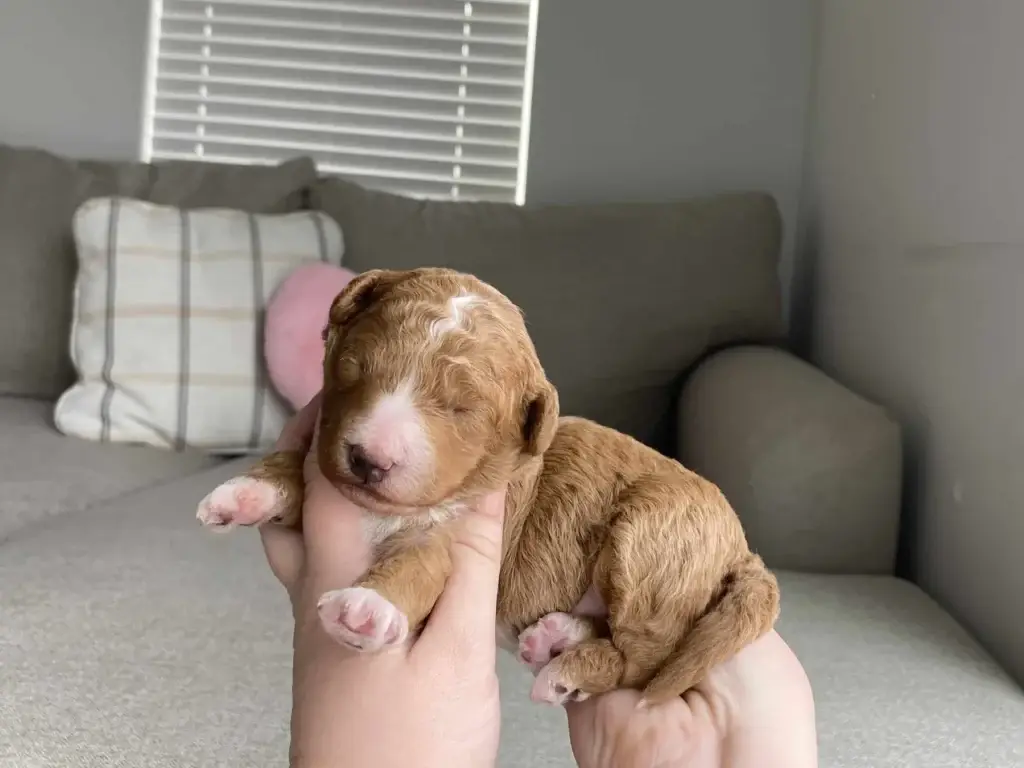
Signs of dog ear infections
According to the American Kennel Club (AKC), the common signs are (AKC):
- Head shaking
- Scratching or rubbing at the ear
- Redness and swelling of the ear canal
- A bad smell
- Dark or yellowish discharge
- Pain when the ear is touched
- Crusts or scabs on the ear flap
One ear held lower than the other, or a head tilt, can mean the problem has gone deeper. That needs a vet promptly.
What causes them
The Merck Veterinary Manual lists several triggers: parasites such as ear mites, objects stuck in the canal, allergies, and overgrowth of bacteria or yeast (Merck).
Moisture is the common thread. A dog’s ear canal is long and bent, so water does not drain easily. After swimming or a bath, the canal stays warm and damp, which suits yeast and bacteria perfectly.
Why Poodle mixes are prone
- Floppy ears cover the canal and hold in heat and moisture.
- Hair inside the ear. Poodle-type coats often grow hair in the canal, which traps wax.
- A love of water. Both retrievers and Poodles tend to enjoy swimming.
For that reason, weekly ear checks belong in the routine for a Goldendoodle or a Havapoo. See our Goldendoodle grooming guide.
Preventing dog ear infections
- Dry the ears thoroughly after every swim and bath.
- Check weekly. A healthy ear is pale pink, clean and nearly odorless.
- Clean when needed, with a cleaner your vet recommends and on the schedule they suggest.
- Keep cotton swabs out of the canal. The AKC warns that they push debris deeper.
- Ask your groomer and vet how to manage hair in the ears.
How to clean ears safely
- Fill the ear canal with the vet-approved cleaner.
- Massage the base of the ear for about 20 to 30 seconds.
- Stand back and let your dog shake.
- Wipe away the loosened debris from the outer ear with cotton or gauze.
Do not clean an ear that is red, swollen or painful. Instead, book a vet visit, because cleaning can hurt and can hide what the vet needs to see.
When dog ear infections keep coming back
Every infection should be seen by a vet, who will look down the canal, check a sample under the microscope and prescribe the right drops. Always finish the course, even if the ear looks better in two days.
Repeated infections usually have an underlying cause, and allergies are a frequent one. So if this is the third infection in a year, ask your vet about an allergy workup. Untreated infections can spread to the middle ear and affect hearing and balance.
Related guides
- Puppy Vaccine Schedule and Deworming: What Is Done Before Go-Home and What Comes Next
- Heartworm Prevention for Puppies: Why to Start by 8 Weeks
- Flea and Tick Prevention for Puppies: When to Start and What Is Safe
- Reverse Sneezing in Dogs: What It Is and What to Do
- Dog Dental Care: Brushing, Chews and Professional Cleanings
See all our puppy guides, read about our health testing, or meet our Havapoo puppies for sale and Goldendoodle puppies for sale.
Sources
- American Kennel Club. Dog Ear Infections: Symptoms, Causes, Treatment, and Prevention. akc.org
- Merck Veterinary Manual. Ear Infections and Otitis Externa in Dogs. merckvetmanual.com
- VCA Animal Hospitals. Ear Infections in Dogs (Otitis Externa). vcahospitals.com
Sources were checked on October 7, 2026. This article is general information and does not replace advice from your veterinarian.
Ready to meet your puppy?
Our puppies are born and raised inside our family home in Eagle Mountain, Utah, from health-tested parents. See who is available now, or ask us a question.