

Guide: collapsing trachea in dogs
Collapsing Trachea in Dogs: Signs, Triggers and Management
A collapsing trachea in dogs is a weakening of the windpipe that makes it flatten as the dog breathes. The hallmark is a harsh, dry cough that sounds like a goose honking. It mostly affects small breeds, including Poodles, and it usually appears in middle age. There is no cure. However, most dogs do well with weight control, a harness and medication.
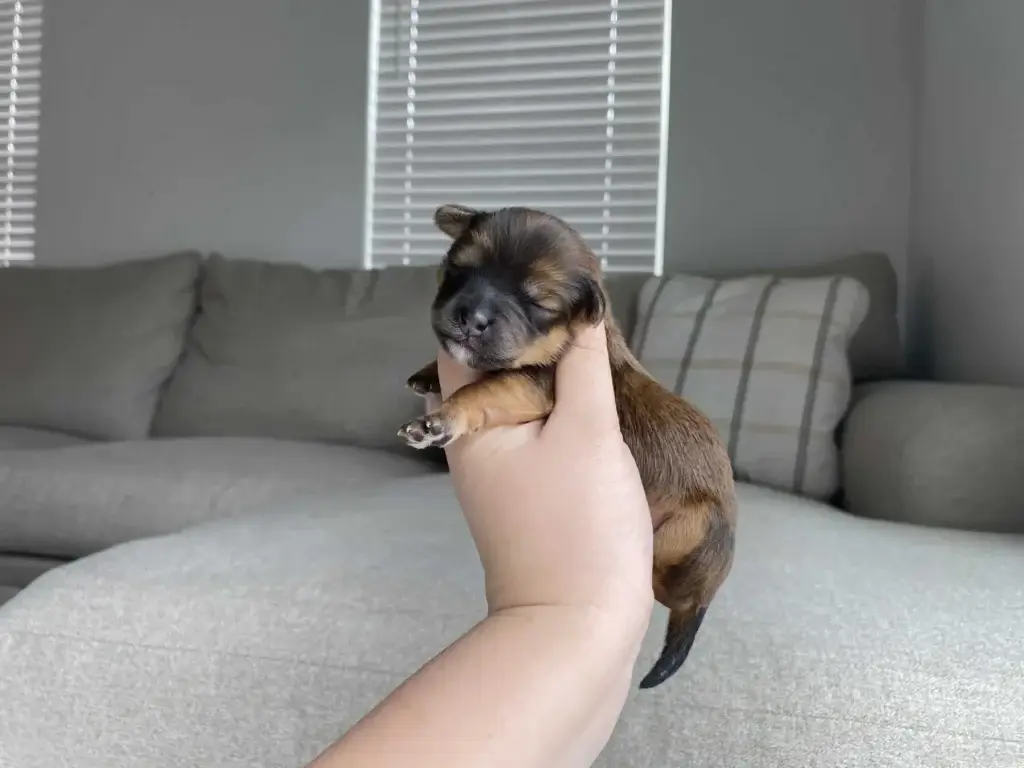
What a collapsing trachea in dogs is
The windpipe is held open by rings of cartilage. In some dogs those rings soften over time, so the airway narrows when air rushes through. The result is irritation and a cough, which irritates the airway further.
According to Cornell University’s canine health center, small breeds are affected most, particularly Yorkshire Terriers, Pomeranians, Poodles and Chihuahuas (Cornell).
Signs of a collapsing trachea in dogs
- A persistent, dry, “goose-honk” cough
- Coughing when excited, or when a collar presses on the throat
- Coughing after eating or drinking
- Worse coughing in hot, humid weather or at night
- Wheezing when breathing in
Severe cases cause labored breathing, blue-tinged gums or fainting. Those are emergencies.
Who is at risk
Most affected dogs are middle-aged or older, although some are young. The American College of Veterinary Surgeons notes that the condition is seen more often in dogs that are overweight, and in dogs with heart or lung disease (ACVS). Living with smokers also makes signs more likely.
Because Poodles are on the list, owners of small Poodle mixes should know the cough when they hear it.
Managing a collapsing trachea in dogs
Cornell describes weight loss as critical for any overweight dog with this condition. In addition, daily habits make a real difference.
- Switch to a harness. Keep all pressure off the neck.
- Keep your dog lean.
- Avoid smoke, dust and strong scents.
- Keep things cool and calm. Heat and excitement set off coughing.
- Give medication as prescribed. Vets use cough suppressants, anti-inflammatory drugs and other medicines as needed.
Most dogs respond well to this kind of management.
When more is needed
If medication stops working and breathing becomes a struggle, a vet may refer the dog to a surgeon to discuss specialist procedures that support the windpipe. Those are reserved for severe cases, so the goal at home is to keep the condition mild.
Collapsing trachea, kennel cough or reverse sneezing?
| Sound | Pattern | |
|---|---|---|
| Collapsing trachea | Dry goose honk | Long-term, with triggers such as excitement or a collar |
| Kennel cough | Honking cough, sometimes with sneezing | Starts suddenly after contact with other dogs, and clears in a week or two |
| Reverse sneezing | Loud snorting breaths in | Short episodes, and the dog is fine in between |
See kennel cough in puppies and reverse sneezing in dogs. Any cough that lasts should be checked by your vet.
Related guides
- Puppy Vaccine Schedule and Deworming: What Is Done Before Go-Home and What Comes Next
- Toxic Foods for Dogs: What Puppies Must Never Eat
- Dog Ear Infections: Signs, Causes and Prevention
- Heartworm Prevention for Puppies: Why to Start by 8 Weeks
- Flea and Tick Prevention for Puppies: When to Start and What Is Safe
See all our puppy guides, read about our health testing, or meet our Havapoo puppies for sale and Goldendoodle puppies for sale.
Sources
- American College of Veterinary Surgeons. Tracheal Collapse. acvs.org
- Cornell University College of Veterinary Medicine. Tracheal collapse. vet.cornell.edu
- VCA Animal Hospitals. Tracheal Collapse in Dogs. vcahospitals.com
Sources were checked on October 7, 2026. This article is general information and does not replace advice from your veterinarian.
Ready to meet your puppy?
Our puppies are born and raised inside our family home in Eagle Mountain, Utah, from health-tested parents. See who is available now, or ask us a question.