

Guide: puppy diarrhea
Puppy Diarrhea: Causes, Home Care and When to Call the Vet
Puppy diarrhea is one of the most common reasons new owners call a vet. Most cases come from a diet change, stress or parasites, and they clear up quickly. However, puppies dehydrate fast, and diarrhea can also be the first sign of parvovirus. So know the warning signs, and call early if your puppy is very young, very small or not fully vaccinated.
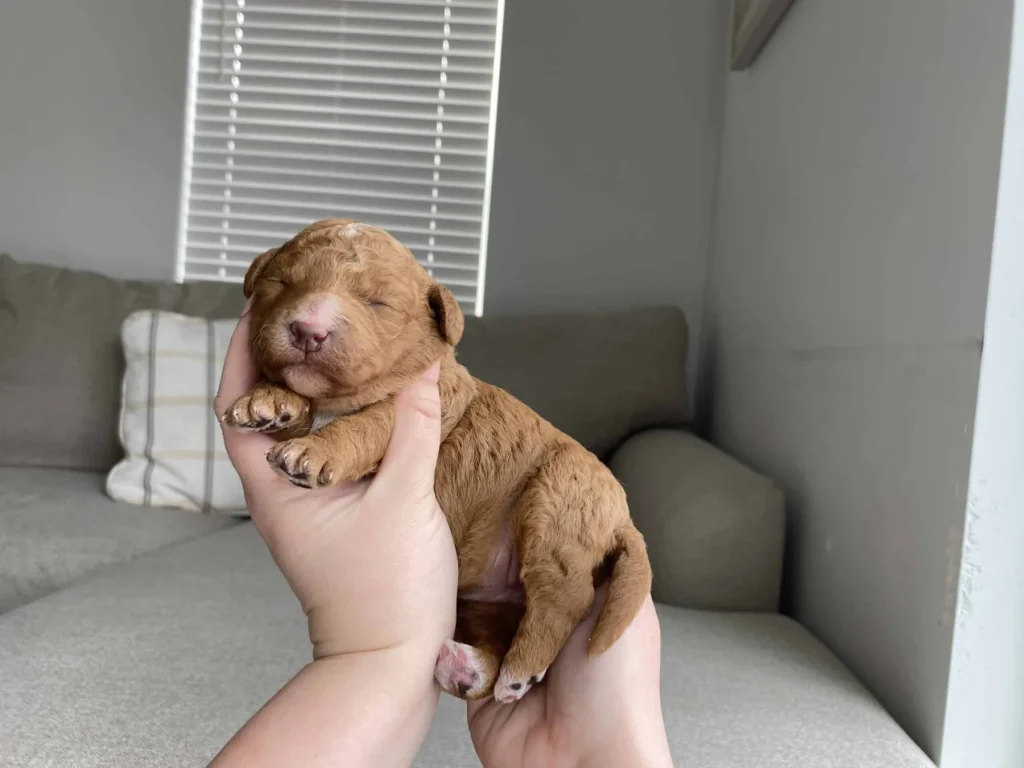
Common causes of puppy diarrhea
According to the American Kennel Club (AKC), the usual causes are (AKC):
- A change of food, or a food that does not agree with the puppy
- Stress, such as moving to a new home
- Parasites, including roundworms, hookworms, whipworms, coccidia and giardia
- Eating something it should not, from trash to houseplants
- Bacterial infections
- Viruses, above all parvovirus in puppies that are not fully vaccinated
When puppy diarrhea is an emergency
Call your vet right away if you see any of these:
- Blood in the stool, or black, tarry stool
- Vomiting as well as diarrhea
- Fever, pale gums or obvious pain
- A puppy that is dull, weak or refusing food
- Diarrhea that lasts more than a day
- Any diarrhea in a puppy that has not had all its vaccines
In addition, a toy-sized puppy has very little in reserve. For a tiny puppy, call sooner. See parvo in puppies.
Safe home care for a mild case
If the puppy is bright, eating and playing, and the stool is only soft:
- Keep fresh water available. Even mild diarrhea is dehydrating.
- Go back to the usual food, and stop new treats and chews.
- Ask your vet about a bland diet before you try one.
- Do not fast a small-breed puppy. Skipping meals can drop its blood sugar.
- Never give human diarrhea medicine without veterinary advice.
If there is no improvement within a day, book a visit.
What the vet will do
Bring a fresh stool sample. The vet will examine the puppy, test the stool for parasites and, if there is any doubt, run a quick parvovirus test. Treatment may include a dewormer, a special diet, a probiotic, or fluids for dehydration.
Preventing puppy diarrhea
- Keep the same food for the first week or two at home. Our puppies come with a starter bag for this reason.
- Change food slowly, over about a week.
- Stay on schedule with deworming and vaccines. See our puppy vaccine schedule.
- Puppy-proof the house. See puppy proofing.
- Go easy on treats while the gut settles.
Loose stool in the first week home
A new home is exciting and stressful, and a day or two of soft stool is common. As long as your puppy is lively and eating, keep the routine calm, stick to the starter food, and phone your vet for advice.
If parasites are found, they are treatable. See giardia in puppies and worms in puppies.
Related guides
- Puppy Vaccine Schedule and Deworming: What Is Done Before Go-Home and What Comes Next
- Hypoglycemia in Puppies: Signs and Emergency Steps for Small Breeds
- Luxating Patella in Dogs: Signs, Grades and Treatment
- Kennel Cough in Puppies: Symptoms and When to Worry
- Dog Dental Care: Brushing, Chews and Professional Cleanings
See all our puppy guides, read about our health testing, or meet our Havapoo puppies for sale and Goldendoodle puppies for sale.
Sources
- American Kennel Club. Puppy Diarrhea: Causes, Treatment, and Symptoms. akc.org
- VCA Animal Hospitals. Diarrhea in Dogs. vcahospitals.com
- Cornell University College of Veterinary Medicine. Diarrhea. vet.cornell.edu
Sources were checked on October 7, 2026. This article is general information and does not replace advice from your veterinarian.
Ready to meet your puppy?
Our puppies are born and raised inside our family home in Eagle Mountain, Utah, from health-tested parents. See who is available now, or ask us a question.