

Guide: puppy proofing
Puppy Proofing Your Home: A Room-by-Room Checklist
Puppy proofing means removing anything a puppy could chew, swallow or fall from before it comes home. Puppies explore with their mouths, so get down to floor level and look at each room the way a puppy would. Electrical cords, medications, cleaning products, trash and small objects cause most of the trouble.
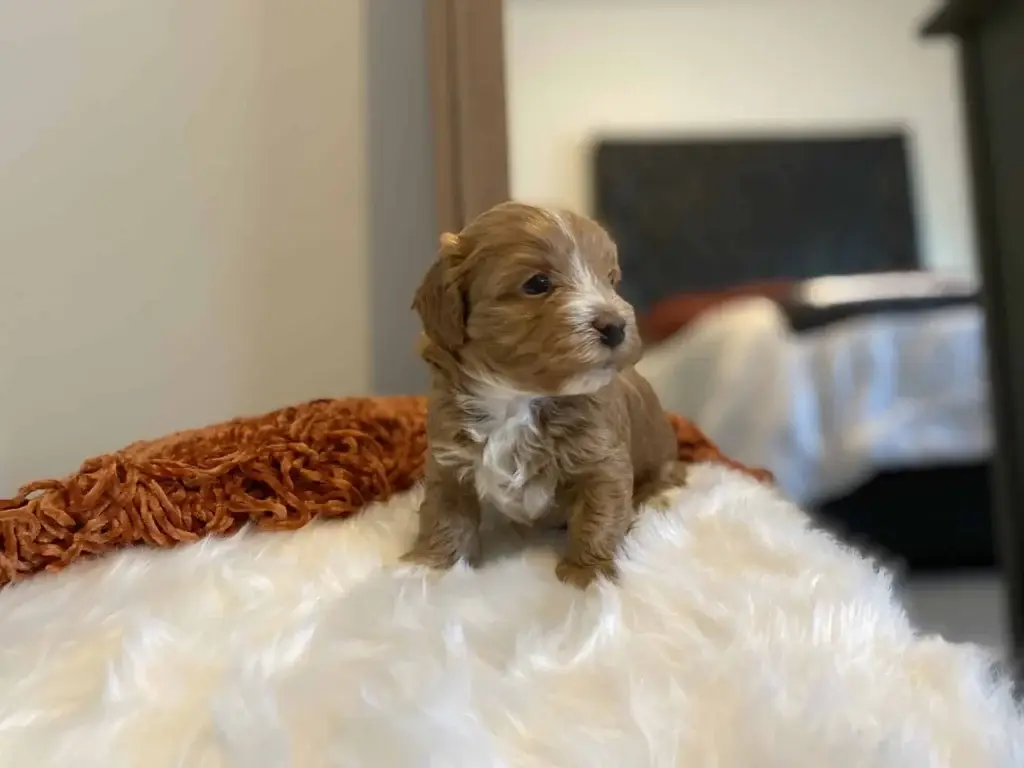
Puppy proofing essentials for every room
The American Kennel Club (AKC) lists these basics (AKC):
- Cords. Unplug them, move them out of reach or run them through cord covers. Chewing a live cord can burn the mouth or cause a shock.
- Blind cords and strings. Tie them up high.
- Small objects. Pick up coins, paper clips, rubber bands, jewelry and hair ties.
- Medications. Keep them off low tables, nightstands and bathroom counters.
- Cleaning products. Store them high, or behind a childproof latch.
- Trash. Use bins with lids, or shut them in a cupboard.
- Houseplants. Move them, and check which ones are toxic.
Kitchen and dining room
Food is the main risk here. Keep counters clear, push chairs in and secure the trash. In addition, learn the foods that are dangerous to dogs, such as chocolate, grapes, raisins and sugar-free products sweetened with xylitol.
Dishwasher tablets and cleaning sprays belong in a latched cupboard.
Living room and bedrooms
- Phone chargers and lamp cords
- Remote controls and anything with batteries
- Children’s toys, especially small pieces
- Socks, underwear and hair ties, which are often swallowed
- Candles and potpourri
A laundry basket with a lid saves many emergency vet visits.
Bathroom and laundry room
Keep the bathroom door shut if you can. Otherwise, store medications, razors, soaps and cotton swabs in closed cabinets, and keep the toilet lid down. In the laundry room, put detergent pods and dryer sheets on a high shelf.
The American Veterinary Medical Association keeps a longer list of household hazards.
Puppy proofing the garage and yard
- Chemicals. Antifreeze, fertilizer, weed killer and rodent bait must be locked away.
- Tools and hardware. Sweep up screws and nails.
- Fences. Check for gaps. A small-breed puppy fits through a space you would never notice.
- Water. Fence off pools and ponds.
- Plants. Check the yard for toxic plants, as well as the house.
Puppy proofing with gates and a pen
You cannot make a whole house safe, so shrink the puppy’s world. Use baby gates to keep it in one or two proofed rooms, and a crate or pen when you cannot watch. Then widen the area as the puppy earns trust.
Keep your vet’s number handy, along with the ASPCA Animal Poison Control Center at (888) 426-4435. A consultation fee may apply. For the rest of your preparation, see our new puppy checklist and the puppy teething timeline.
Related guides
- How Much Do Puppies Sleep? Hours by Age and a Nap Routine
- New Puppy Supplies: The Checklist You Actually Need
- First Night With a New Puppy: A Calm Bedtime Plan
- Introducing a Puppy to an Older Dog: Step by Step
See all our puppy guides, or meet our Havapoo puppies for sale and Goldendoodle puppies for sale.
Ready to meet your puppy?
Our puppies are born and raised inside our family home in Eagle Mountain, Utah, from health-tested parents. See who is available now, or ask us a question.