

Guide: luxating patella in dogs
Luxating Patella in Dogs: Signs, Grades and Treatment
A luxating patella in dogs is a kneecap that slips out of its groove. It is one of the most common orthopedic problems in small breeds, including Miniature and Toy Poodles and their mixes. The classic sign is a skip. The dog hops on three legs for a few steps, and then carries on as if nothing happened.
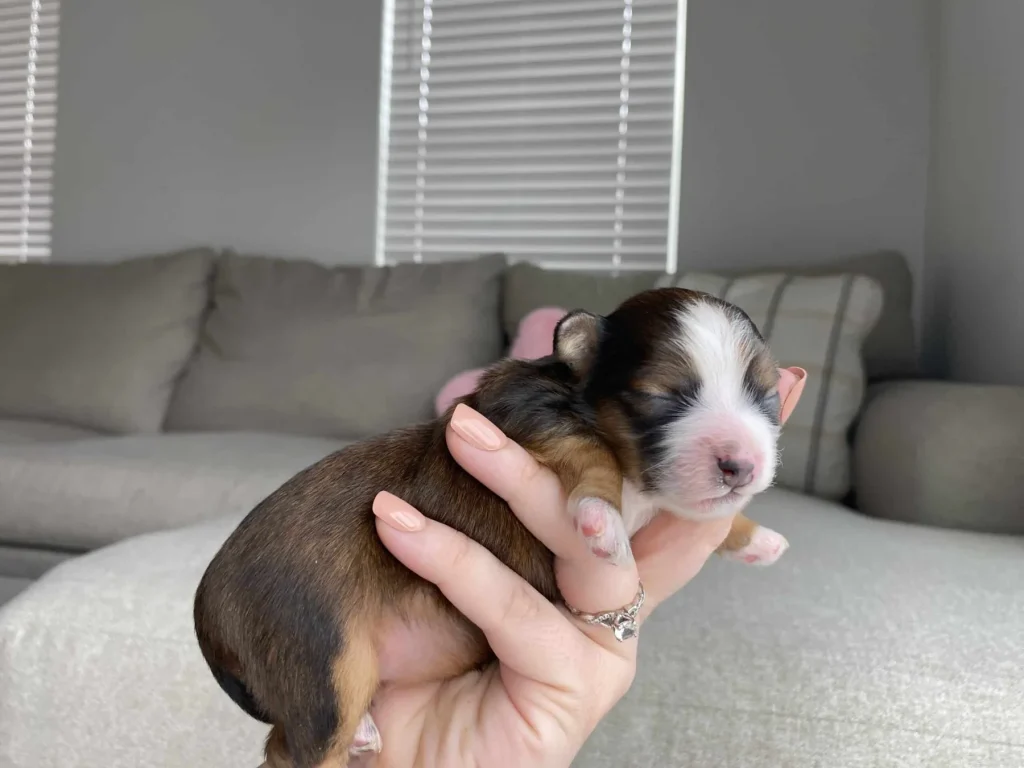
What a luxating patella in dogs is
The kneecap, or patella, normally glides in a groove at the end of the thigh bone. In some dogs the groove is shallow or the leg is slightly out of line, so the kneecap pops out to one side.
The American College of Veterinary Surgeons calls it one of the most common orthopedic conditions in dogs, diagnosed in about 7 percent of puppies. It mainly affects small dogs (ACVS).
The sign to watch for: the skip
- A sudden hop, with one back leg held up for a few steps
- A quick shake or stretch of the leg, after which the dog walks normally
- Occasional bunny-hopping on both back legs
- In worse cases, a crouched or bow-legged stance
Many dogs show no pain at first. However, each slip wears the joint a little, so arthritis can follow later.
Grades of luxating patella in dogs
Vets grade the condition from 1 to 4 by feeling the knee.
| Grade | What it means |
|---|---|
| 1 | The kneecap can be pushed out by hand, but it pops straight back |
| 2 | The kneecap slips out by itself now and then, and stays out until the leg straightens |
| 3 | The kneecap is out most of the time, but it can be pushed back |
| 4 | The kneecap is out all the time and cannot be put back by hand |
Treatment for a luxating patella in dogs
According to the ACVS, a slipping kneecap that causes no symptoms is usually monitored, especially in small dogs. Surgery is most often considered from grade 2 upward. When it is needed, surgeons tend to recommend it sooner, because that lowers the chance of arthritis or a torn knee ligament later.
Meanwhile, two things help every affected dog: a lean body weight and steady, moderate exercise to keep the thigh muscles strong.
Screening the parents
The condition is inherited, so responsible breeders have breeding dogs checked. The Orthopedic Foundation for Animals keeps a patella database for dogs examined at 12 months or older (OFA). In addition, the Havanese Club of America includes a knee check among its four recommended tests, and the American Kennel Club notes that loose kneecaps are more likely in Toy and Miniature Poodles than in Standards.
So ask what each parent’s knees were graded. See health testing before breeding.
Protecting small knees at home
- Keep your dog lean. Extra weight loads the joint.
- Use steps or a ramp for the sofa and the bed.
- Discourage big jumps, especially from heights.
- Add rugs on slippery floors.
- Mention any skip to your vet, even if it seems to pass.
For other conditions seen in the parent breeds, see Havapoo lifespan.
Related guides
- Puppy Vaccine Schedule and Deworming: What Is Done Before Go-Home and What Comes Next
- Hypoglycemia in Puppies: Signs and Emergency Steps for Small Breeds
- Dog Dental Care: Brushing, Chews and Professional Cleanings
- Flea and Tick Prevention for Puppies: When to Start and What Is Safe
- Puppy Diarrhea: Causes, Home Care and When to Call the Vet
See all our puppy guides, read about our health testing, or meet our Havapoo puppies for sale and Goldendoodle puppies for sale.
Sources
- American College of Veterinary Surgeons. Patellar Luxation (Dislocating Kneecap) in Dogs. acvs.org
- Orthopedic Foundation for Animals. Patellar Luxation. ofa.org
- VCA Animal Hospitals. Luxating Patella in Dogs. vcahospitals.com
- Cornell University College of Veterinary Medicine. Patellar luxation. vet.cornell.edu
Sources were checked on October 7, 2026. This article is general information and does not replace advice from your veterinarian.
Want a puppy from health-tested parents?
Every parent dog here has an Embark DNA health panel before breeding. See who is available now, or read how we health test.