

Guide: puppy coat change
Puppy Coat Change: When Puppies Lose Their Puppy Coat
The puppy coat change is the stretch when soft puppy fluff gives way to the adult coat. It usually happens between four and six months of age, although it can start at 12 weeks or wait until a dog is a year old. For low-shedding coats, this is when mats appear, so brushing matters most now.
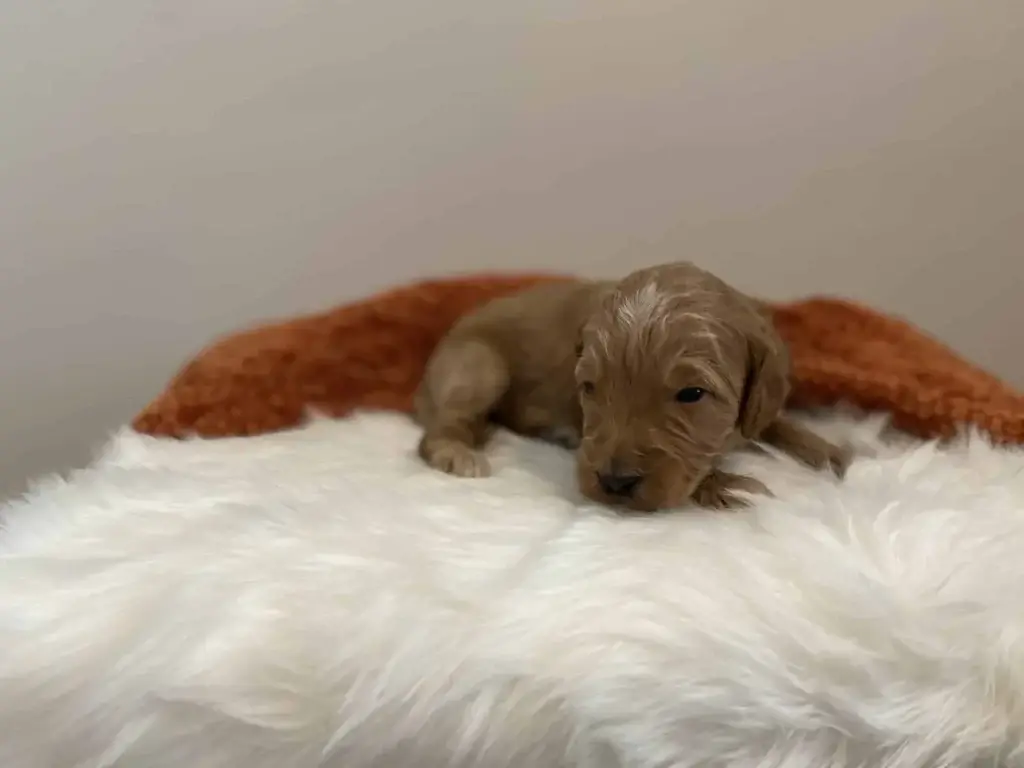
What the puppy coat change is
Puppies are born with a single coat of soft, fluffy fur that helps them hold their body heat. According to the American Kennel Club, that coat naturally gives way to an adult coat, which is usually thicker and stiffer (AKC).
Double-coated breeds grow two layers. Single-coated breeds, such as Poodles, grow their own distinctive adult coat instead.
When the puppy coat change happens
| Timing | What the AKC says |
|---|---|
| Typical | Between 4 and 6 months of age |
| Early | As young as 12 weeks |
| Late | As late as 1 year old |
| Full adult coat | Can take up to 2 years in some breeds, such as Pomeranians |
The time frame varies widely from breed to breed, so do not worry if your puppy is early or late. Ask your breeder what they saw in the parents and in older siblings, because that is the best guide to your own puppy.
Signs your puppy is changing coats
- More hair in the brush than usual
- A coarser, wavier or curlier texture growing in at the roots
- Small tangles close to the skin, especially behind the ears and in the armpits
- A coat that suddenly feels thicker
- A slow shift in color
A low-shedding puppy may drop very little hair on the floor during this stage. However, the hair is still coming loose. It simply stays in the coat.
Why mats spike during the coat change
In a Poodle mix, loose puppy hair does not fall away. PetMD’s veterinary guide to matting lists shed hair that gets trapped in the outer coat as one of the main causes of mats, along with moisture and friction (PetMD).
So a coat that needed little work at three months can knot in days at eight months. Many owners are caught out here, and the result is a puppy that has to be clipped short. See our guide to matted dog hair for how to deal with mats that have already formed.
How to groom through the puppy coat change
The AKC calls regular grooming especially important while the coat moves from puppyhood to adulthood. In practice, that means:
- Brush every day. VCA Animal Hospitals advises daily brushing for long, silky or curly coats (VCA).
- Brush to the skin, one layer at a time, and then check with a comb.
- Brush before every bath, because water tightens tangles.
- Dry the coat fully after baths, rain and snow.
- Keep grooming appointments close together. A shorter trim during these months is easier to keep clear.
- Take the collar or harness off indoors, since friction starts mats.
Our Havapoo grooming and Goldendoodle grooming guides have the full routine, and the Goldendoodle coat types guide explains wavy, curly and straight adult coats.
Will the color change too?
It can. The AKC notes that many breeds develop different coloring and patterns as they shed their puppy fur. Dalmatians, for example, are born without spots.
Poodle mixes often lighten or soften in color as they mature. Therefore, treat a puppy’s color at eight weeks as a starting point and not a promise. If the adult color matters to you, ask to see photos of the parents and of grown puppies from earlier litters.
When to call the vet
Normal coat change is even, and the skin underneath looks healthy. Call your veterinarian if you see bald patches, red or scaly skin, constant scratching or a bad smell. Those signs point to a skin problem and not to an ordinary change of coat.
Related guides
- Havapoo Grooming: Brushing, Haircuts and a Simple Schedule
- Dog Paw Care: Pads, Nails, Hot Pavement and Winter Salt
- First Grooming Appointment for a Puppy: When to Go and What to Expect
- How to Trim Puppy Nails Without Hitting the Quick
- How to Bathe a Puppy: First Bath, Steps and How Often
See all our puppy guides, or meet our Havapoo puppies for sale and Goldendoodle puppies for sale.
Sources
- American Kennel Club. Why Do Puppies Shed Their Coats?. akc.org
- PetMD (Jenny Alonge, DVM). How To Handle Matting in Dogs and Cats. petmd.com
- VCA Animal Hospitals. Grooming and Coat Care for Your Dog. vcahospitals.com
Sources were checked on October 7, 2026. This article is general information and does not replace advice from your veterinarian.
Ready to meet your puppy?
Our puppies are born and raised inside our family home in Eagle Mountain, Utah, from health-tested parents. See who is available now, or ask us a question.