

Guide: puppy biting
Puppy Biting: Why They Do It and How to Stop It
Puppy biting is normal behavior. Puppies explore with their mouths, play by nipping and chew more while teething, and their baby teeth are needle sharp. The goal is not to punish it. Instead, teach two things: a soft mouth, and that teeth on skin end the fun. With consistent handling, most puppies improve steadily.
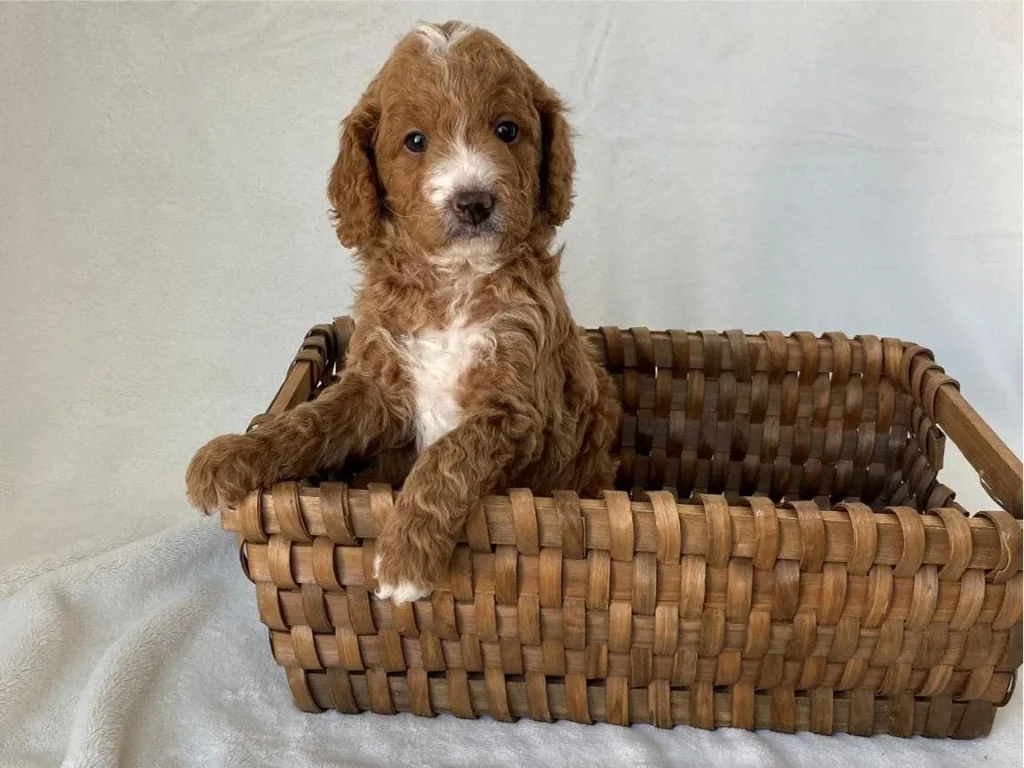
Why puppy biting happens
The American Kennel Club (AKC) points to play and teething as the main reasons, and notes that puppies have about 28 sharp baby teeth to do it with (AKC).
There is often a third cause, which is tiredness. An overtired puppy bites more, in the same way that an overtired toddler melts down. So a wild evening biting session often means your puppy needs a nap, a toilet break or a meal. See how much puppies sleep and the puppy teething timeline.
Bite inhibition: the skill behind puppy biting
Bite inhibition is a dog’s ability to control the force of its mouth. The ASPCA explains that puppies start learning it from each other: when one bites too hard, the other yelps and stops playing (ASPCA).
That is one reason puppies should stay with their litter until about eight weeks. See what age puppies can leave their mother. After that, the lesson continues with you.
How to stop puppy biting, step by step
- Make hard bites end the game. Say “ow” or simply go quiet, and let your hand go limp instead of pulling it away.
- Pause briefly. The ASPCA suggests ignoring the puppy for 10 to 20 seconds, then starting play again.
- Offer a toy. Keep a chew or tug toy within reach, so your puppy has something legal to bite.
- Turn away. If the biting goes on, the AKC suggests turning around and tucking your hands under your arms.
- Give a calm break. A few quiet minutes in a pen or crate lets an excited puppy settle. It is a rest, not a punishment.
- Reward calm behavior with praise, a treat or gentle petting.
The AKC adds that a loud yelp excites some puppies even more. If so, withdraw quietly instead.
Ankle biting and grabbing clothes
Moving feet and trouser legs are irresistible. The ASPCA’s advice is to stop moving the moment your puppy grabs you. Then bring out a tug toy and wave it. When your puppy takes the toy, start walking again.
Therefore, it helps to carry a toy in your pocket for the first few weeks.
What not to do about puppy biting
- Do not slap, hit or hold the mouth shut. The ASPCA warns that physical punishment can make puppies bite harder, and can make them afraid of you.
- Do not wave fingers or toes in your puppy’s face to start a game.
- Do not jerk your hands away. Fast movement invites a chase.
- Do not stop playing altogether. Play builds your bond. You are teaching gentle play, not no play.
Puppy biting and children
Running and squealing make puppies more excited, so children get nipped most. Teach children to stand still and fold their arms, and to call an adult. In addition, always supervise young children with a puppy, and give the puppy regular rest away from them.
See puppies and children for house rules that work.
When to get help
In normal play, the body and face look relaxed. According to the ASPCA, signs that deserve a professional opinion include a stiff body, lips pulled back to show teeth, growling, and bites that are much more painful than play nips.
The AKC also suggests calling a trainer if a puppy has not learned to soften its bite by about six months. Start with your vet, who can rule out pain and refer you.
Related guides
- Potty Training a Small Breed Puppy: A 30-Day Plan With Crate Training
- Crate Training a Puppy: A Step-by-Step Guide
- Leash Training a Puppy: From First Harness to Loose Leash
- Puppy Jumping Up: How to Teach a Polite Greeting
- Resource Guarding in Puppies: Signs, Prevention and Help
- Puppy Separation Anxiety: Signs, Prevention and What Helps
See all our puppy guides, or meet our Havapoo puppies for sale and Goldendoodle puppies for sale.
Looking for a Havapoo puppy?
Our Havapoos are born and raised inside our family home in Eagle Mountain, Utah, from health-tested parents. See who is available now.